


















Pore strips can lift some surface material from pores, so the skin may look smoother for a short time. They do not permanently clear a pore or shrink it. Salicylic acid for blackheads and topical retinoids may help address recurring clogs, while normal sebaceous filaments do not need to be removed.
What Pore Strips Can—and Cannot—Remove
A pore strip sticks to the skin and, when peeled away, can pull out some of the material near the opening of a pore. That material may include oil and dead skin cells. The visible dots left on the strip can make the removal look dramatic, but they are not proof that a pore has been cleared all the way through.
Blackheads are open comedones: follicles clogged with sebum and shed skin cells. Their surface looks dark when exposed to air. A strip may lift some of that plug, but it does not change the processes that lead to clogged follicles, so a blackhead can return.
Pores are openings of hair follicles and oil glands, not doors that can be permanently closed. A strip removes material temporarily; it does not alter the follicle or stop oil production. Pore appearance can vary, but strips should not be expected to make pores permanently smaller.
Blackheads Or Sebaceous Filaments?
Sebaceous filaments are normal structures that help carry oil along the lining of a follicle to the skin’s surface. They are common on the nose, where they often look like small, evenly spaced gray, tan, or pale dots. Blackheads are more likely to look darker and more distinct, with plugs that vary in size and distribution.
Filaments are not dirt or acne that must be extracted. Strips may pull out some of their contents, but the filaments refill as oil moves through the follicles. Trying to remove them repeatedly can leave you with irritation without making the result last.
Why Strips Can Irritate Skin
The adhesive grips the skin as well as material in pores. Peeling it away can cause temporary redness, dryness, soreness, or irritation, especially if your skin is sensitive or already inflamed. Using strips too often, leaving one on longer than directed, or pulling it off forcefully may make discomfort more likely.
If you choose to use one, follow the package directions and remove it gently. Avoid applying it to broken, irritated, or sunburned skin. Stop if you notice significant pain or a reaction. A strip is a cosmetic shortcut, not a necessary step in treating acne.
When Salicylic Acid For Blackheads May Help
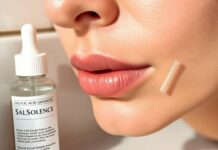
For recurring blackheads, ingredients that work within the follicle are more relevant than repeated surface removal. Salicylic acid is oil-soluble and helps loosen the buildup of oil and dead skin cells in pores. It may help with persistent blackheads, though it can also dry or irritate skin. Follow the product label and introduce it cautiously rather than layering several strong products at once.
Topical retinoids, such as adapalene, help normalize the shedding of skin cells inside follicles and can help prevent comedones from forming. They are used for acne, but availability and rules for use vary by country: check local product labeling or ask a pharmacist or clinician. Retinoids can irritate skin, so a clinician can help you weigh options if you are unsure what is suitable.
Give a consistent routine time to work; a strip’s immediate result is not a useful comparison with treatments that address recurring clogs. Avoid harsh scrubbing or squeezing, which can further irritate skin. If blackheads persist, acne is painful or inflamed, or products cause ongoing irritation, seek advice from a clinician or dermatologist.