




















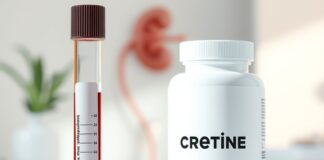
Creatine Can Raise Creatinine Without Kidney Injury
A “creatinine high” result may reflect creatine metabolism, not kidney injury. Learn how clinicians assess kidney function and why to disclose supplements.

Severe Muscle Pain After Exercise: When to Get Help
Severe muscle pain after exercise can be more than soreness. Learn warning signs, how a CK level for rhabdomyolysis is assessed, and when urine and kidney tests need urgent care.

A Low Neutrophil Count Can Be Normal—But Not Always
A low neutrophil count can reflect Duffy-null-associated neutrophil count, not illness. Learn how testing, trends and symptoms guide next steps.

CBT-I for Insomnia: What Treatment Looks Like
CBT-I for insomnia combines sleep scheduling, stimulus control and cognitive skills. Learn what sleep restriction involves and when to seek clinical guidance.

How To Take Weekly Alendronate Safely
Learn how to take Fosamax (alendronate) weekly with plain water, when to eat and stay upright, what to do after a missed dose, and symptoms to report.
High Ferritin: Why One Result Doesn’t Mean Iron Overload
High ferritin levels have many causes, including inflammation and liver disease. Learn how repeat testing, transferrin saturation and HFE tests guide follow-up.

Dry Mouth From Medicines: What Helps and When to Get Help
Xerostomia causes include common medicines, but persistent dryness may have another cause. Learn relief steps, tooth protection and when to seek help.

How To Take Doxycycline Safely And Protect Your Esophagus
Learn how to take doxycycline with enough water, stay upright, follow formulation-specific food directions, and recognize swallowing or chest symptoms that need care.

ACE Inhibitor Cough: What to Do About a Persistent Dry Cough
Lisinopril cough can cause a persistent dry tickle. Learn how clinicians check other causes, when swelling is an emergency, and what to expect after a medication change.
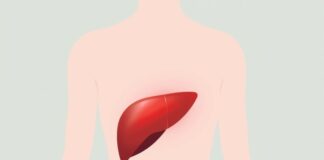
High Alkaline Phosphatase: What One Result Can Tell You
A high alkaline phosphatase result can come from liver or bone. Learn how GGT, age, pregnancy, fractures and follow-up help clarify what it means.