




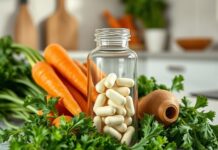







Clinical trials found that high-dose beta-carotene supplements increased lung-cancer risk among people who smoked or had asbestos exposure. This finding applies to concentrated supplements, not to carotenoid-rich foods such as carrots. If you smoke, used to smoke, or were exposed to asbestos, check a supplement’s ingredients and dose before taking it, and ask a clinician or pharmacist if you’re considering it for a health reason. The evidence on beta carotene and smoking concerns supplements, not foods.
Beta Carotene And Smoking: What The Trials Found
The concern comes from two large randomized trials that tested supplements in people already at higher risk of lung cancer. In the Finnish ATBC trial, 29,133 male smokers were assigned to take beta-carotene, vitamin E, both, or neither. The beta-carotene dose was 20 milligrams a day. Participants assigned beta-carotene had an 18% higher incidence of lung cancer than those not assigned it.
The U.S. CARET trial enrolled 18,314 people at high risk, including smokers and former smokers as well as people exposed to asbestos. Participants received either a daily supplement containing 30 milligrams of beta-carotene and 25,000 IU of retinyl palmitate (a form of vitamin A), or a placebo. The supplement group had 28% more lung cancers and 17% more deaths overall. Researchers stopped the trial early after the results raised concern.
These percentages describe differences between trial groups; they are not a prediction of any one person’s risk. The trials also do not tell us exactly how much risk an individual supplement would add. Still, the results are important: ATBC found harm in smokers given beta-carotene, and CARET found harm from a combination containing beta-carotene in a high-risk group that included people exposed to asbestos.
Why The Results Don’t Mean You Should Avoid Carrots
The trials tested supplements taken in concentrated daily doses, not ordinary servings of food. They do not show that eating carrots, leafy greens, or other foods containing beta-carotene raises lung-cancer risk. The NIH Office of Dietary Supplements distinguishes the risk from high-dose supplements from beta-carotene in foods.
That distinction matters because a pill delivering a set dose of one nutrient is not the same as eating foods that contain a mix of nutrients. The trials did not test whether eating more beta-carotene-rich foods prevents cancer, either. So you should not read the supplement findings as a reason to avoid those foods—or as proof that food can prevent lung cancer.
What To Check On A Supplement Label
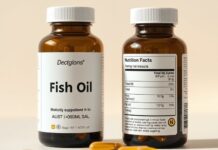
Look beyond the product name and check the ingredient list and amount per recommended daily serving. Beta-carotene may appear in a multivitamin, an eye-health formula, or a product marketed for general wellness. A label may also list vitamin A from more than one source, so check whether it names beta-carotene, retinyl palmitate, or retinyl acetate.
- Check the dose and serving size. Compare the amount per daily serving, not just per capsule or tablet.
- Check the full ingredient list. Products described as vitamin A or antioxidant supplements may contain beta-carotene.
- Look at overlapping products. If you take several supplements, check whether more than one contains beta-carotene or vitamin A.
- Ask before using a high-dose product. This is particularly relevant if you smoke, have smoked, or have been exposed to asbestos.
Labels and units vary between countries, so use the amount stated for the product’s recommended daily dose and ask a pharmacist if the ingredients or units are unclear. CARET tested beta-carotene together with retinyl palmitate, so its results cannot isolate the effect of beta-carotene from that of the combination. The ATBC finding in smokers provides separate evidence of concern about beta-carotene supplements in that group.
If you have a medical reason for taking a supplement, discuss the specific product and dose with a clinician or pharmacist rather than stopping a prescribed treatment on your own. Supplements have not been shown in these trials to prevent lung cancer.