


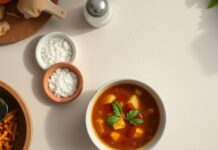















There is no reliable, universal percentage of sodium you can avoid by leaving ramen broth. Sodium in ramen is spread across the broth, noodles and toppings, and the split depends on the recipe and how much soup you leave behind. Skipping most of the broth can reduce what you consume, but it does not make every bowl low in sodium.
Where The Sodium In Ramen Comes From
In soup ramen, broth is often a major source: salt and salty seasonings dissolve into the liquid. But the noodles can contain sodium too. Instant noodles may have salt added during production, and restaurant noodles and toppings can also contribute. Soy sauce, miso, pickled vegetables and processed meats are examples of toppings or additions that can add more.
That means leaving broth removes only the sodium in the liquid you do not drink. Some broth clings to noodles or is absorbed as they sit, and the sodium already in the noodles and toppings stays in the meal. The more broth you leave, the less of its sodium you are likely to consume—but there is no simple bowl-wide calculation without knowing the recipe and what you ate.
Why Instant And Restaurant Bowls Differ
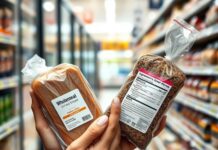
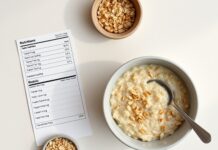
With instant ramen, seasoning usually comes in a sachet and is mixed into the cooking liquid. Using less of it can reduce the amount of sodium in the broth, but the noodle cake may still contain sodium. The package label is the best place to check the total for that product. Look closely at serving size and whether the nutrition information describes the noodles as sold or the prepared meal; these details can differ.
Restaurant ramen has no single standard recipe. Broth ingredients, seasoning, portion size, noodle preparation and toppings vary between restaurants and bowls. So the amount you avoid by leaving the soup can vary too. It is not possible to assume that restaurant broth has a particular sodium share—or that restaurant ramen is always higher or lower in sodium than instant ramen.
A 2017 comparison by Clare Farrand and colleagues examined 765 instant noodle products sold in 10 countries, using packaged-food databases and shop surveys. Sodium levels varied widely across products and countries. For example, the study reported a mean of 1,944 mg per 100 g for products in China and 798 mg per 100 g in New Zealand. These figures describe packaged products, not the broth-versus-noodle split in a prepared bowl, and they cannot tell you the sodium in a restaurant serving. They do show why one instant ramen label cannot stand in for all brands.
What Leaving The Broth Can—and Can’t—Do
If you normally drink the whole bowl, leaving some broth is a reasonable way to consume less of the sodium dissolved in it. A randomized crossover study summarized in a published report also found lower salt intake when people ate ramen with a perforated spoon rather than a regular spoon. That supports the basic idea that taking in less broth can matter, but it does not provide a dependable percentage reduction for every bowl or recipe.
For context, the World Health Organization recommends less than 5 g of salt per day, equivalent to about 2,000 mg of sodium. That is a daily benchmark, not a measure of what a specific bowl contains. A meal can still contribute a substantial amount even if you leave broth, especially if the noodles, seasoning or toppings are salty.
Ways To Lower Sodium Without Losing The Meal
- For instant ramen, use less seasoning. Start with part of the sachet, taste, then add more only if needed. Check whether the product has a lower-sodium option.
- Leave more of the soup. You can enjoy the noodles without finishing the broth; avoid treating this as a guaranteed or fixed reduction.
- Choose toppings carefully. Add vegetables or an egg without salty sauces, pickles or processed meats, and taste before adding soy sauce or other condiments.
- Check the label or ask the restaurant. In the US and Australia, nutrition panels commonly list sodium; UK and EU labels commonly show salt. Salt weighs about 2.5 times as much as sodium, so compare like with like and check the serving size.
The most useful approach is to combine changes: choose a product or broth with less sodium where that information is available, season more lightly, and leave some soup. If you have been advised to limit sodium for a health reason, ask a clinician or dietitian how to apply that advice to your meals.