
















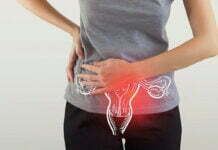
If you’re looking up foods high in oxalate after having a kidney stone, it can be tempting to avoid calcium too. But for calcium oxalate stones—the most common stone type—calcium from food can bind some oxalate in your gut before it is absorbed. Getting enough calcium with meals may therefore help keep less oxalate from reaching your urine. Cutting dietary calcium sharply can work against that process.
Foods high in oxalate: why calcium with meals matters
Oxalate occurs naturally in foods such as spinach, rhubarb, beets, nuts and wheat bran. After you eat it, some can pass from your digestive tract into your bloodstream and eventually into your urine. When urine contains more oxalate, it can contribute to calcium oxalate crystals forming in people who are susceptible.
Calcium in the gut can attach to oxalate from food, forming a compound that is less readily absorbed. That means less dietary oxalate may enter the bloodstream and be excreted in urine. Having a calcium-containing food as part of the same meal as an oxalate-containing food is a practical way to bring them together during digestion. It is not a guarantee against stones, and the amount of oxalate absorbed varies.
A 2023 kidney-stone prevention review by Paleerath Peerapen and Visith Thongboonkerd describes sufficient dietary calcium—about 1,000–1,200 mg (roughly 39–47 oz by weight) per day—as part of prevention advice, alongside limiting high-oxalate foods when appropriate. That range is a general reference, not a personal prescription; calcium needs and clinical advice can vary.
Why cutting out calcium may backfire
Calcium may be part of a stone’s name, but that does not mean calcium in food is automatically the problem. With too little calcium in the digestive tract, less is available to bind dietary oxalate. More oxalate may then be absorbed and pass into urine. Reviews of stone prevention also report an association between low dietary calcium and greater risk of symptomatic stones.
So, unless your clinician has given you a specific reason to limit calcium, removing dairy or other calcium-rich foods on your own may be counterproductive. Guidance often favors getting calcium from food rather than taking extra supplements. Supplements are a separate question: their dose and timing can matter, so ask a clinician before starting or changing one for stone prevention.
How to pair calcium and oxalate-containing foods
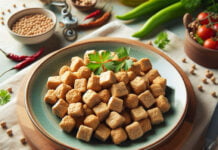
You do not need to build every meal around an oxalate chart. If a food high in oxalate is part of your meal, include a calcium-containing food you normally eat. Options can include milk or yoghurt, calcium-fortified soy drink, calcium-fortified juice, or calcium-set tofu. Fortification varies by brand and country, so check the label. Sardines with edible bones are another food source.
For example, if you eat spinach, you could have it alongside yoghurt or a calcium-fortified drink. This illustrates the pairing principle; it does not mean spinach must be avoided or that one particular combination is required. Some foods, including almonds, contain calcium but can also be high in oxalate, so they may not serve the same purpose as a lower-oxalate calcium source when you are trying to pair calcium with an oxalate-rich food.
Personalize the advice to your stone type
Diet changes depend on what kind of stone you formed and, in some cases, on your urine test results and health history. Calcium oxalate stones are not the only kind, and strategies aimed at oxalate may not fit other stones. The US National Institute of Diabetes and Digestive and Kidney Diseases advises people to identify their stone type and get help choosing appropriate food changes. The 2026 CARI guidelines, developed for Australia and New Zealand, likewise emphasize nutrition care from professionals experienced in kidney stones.
If you have had a stone, ask your clinician what it was made of and whether a dietitian or metabolic evaluation could help guide prevention. That is especially relevant before restricting whole food groups, changing supplements or following a detailed low-oxalate diet. The aim is not to fear calcium or every oxalate-containing food, but to make choices that fit your individual stone risk.