













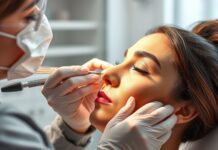







An eyebrow tint allergy is only one reason to be cautious: dye near the eyes can also cause irritation or injury. Never use scalp hair dye on your eyebrows or eyelashes, even if you have used it on your head without a problem. Check that a tint is specifically intended for the area, follow its directions and understand that a skin test cannot guarantee you will not react.
Why scalp hair dye does not belong near your eyes
Scalp dyes are formulated and labelled for use on scalp hair, not for application beside the eye or on lashes. The U.S. Food and Drug Administration (FDA) warns that hair dyes used in the eye area have caused injuries, including blindness. Its required warning for certain coal-tar hair dyes says not to use them to dye eyebrows or eyelashes.
This is more than a difference in packaging. In the United States, color additives need FDA approval for their intended use, and the FDA says no color additives are approved for dyeing eyebrows or eyelashes. That does not make scalp hair dye an acceptable alternative; its label expressly excludes brow and lash use. A patch test, careful application or salon setting does not change what the product is intended for.
Eyebrow tint allergy and other reactions
Hair-dye ingredients can cause allergic reactions or sensitization. Paraphenylenediamine (PPD) is a well-known concern in hair dye; some people may become sensitized after repeated exposure, and a previous uneventful use does not rule out a later reaction. Formulas can also change. A skin test may help identify a reaction, but a negative result cannot guarantee that the full application will be safe.
Reactions can include skin irritation, itching, redness or swelling around the treated area. PPD has also been linked with allergic dermatitis, and hair dye reactions can sometimes involve hair loss. Chemical injury is a separate risk from allergy. A published case report, “728 Chemical Burns and Eyebrow Tinting: An Unusual Case,” described a 50-year-old woman who developed blistering and burns after professional eyebrow tinting. One case cannot tell you how often this happens, but it shows that professional application does not remove all risk.
If you have reacted to hair dye before, or have had a reaction to black henna, take that history seriously and ask a healthcare professional before considering a dye product. If you are weighing lash tinting in particular, read our guide to eyelash tinting risks.
What to check before using an at-home kit
Read the full label before buying or opening a kit. It should clearly state the area it is intended for; a scalp-hair product is not suitable for brows or lashes. Check the ingredient list, warnings, directions and any required skin-test instructions. Do not use a product if its intended use is unclear, it is missing instructions, or it tells you to use it in a way that conflicts with its warning label.
Follow the product’s instructions exactly, including any skin test before each use. A test is not a safety guarantee, and past tolerance is not proof that a new application will be safe. Keep dye out of the eye itself, and do not assume that a product sold online or labelled “professional” has been cleared for your intended use.
Rules depend on where you live
The FDA’s position above applies to the United States. Cosmetic rules and approved uses are not identical everywhere, so do not assume that a product’s availability in the UK, EU or Australia means it is authorised for use on lashes or brows. Check the relevant national regulator’s current guidance and the product label for your location. The U.S. position alone does not establish the rules in those other markets.
What to do after dye gets in your eye or causes a reaction
If dye gets into your eye, rinse it immediately with plenty of clean water. Do not rub it. Seek urgent medical advice if you have pain, blurred or changed vision, or irritation that continues after rinsing. If dye gets on your skin, remove it and rinse the area; get medical advice if a rash, swelling or other symptoms develop or worsen.
Stop using the product if you develop a reaction. Contact a healthcare professional for advice, especially for significant swelling, blistering, severe symptoms or any eye symptoms. If you have trouble breathing or rapidly worsening swelling, seek emergency help. Keep the packaging and ingredient list so a clinician can identify what was used.