







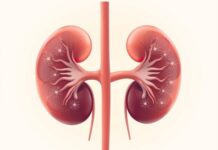











A “creatinine high” result while you take creatine can be unsettling, but it does not automatically mean your kidneys are injured. Creatine breaks down into creatinine, a waste product measured in blood tests. Taking more creatine can raise that number, and because many eGFR calculations use creatinine, the estimated result may also look lower—even if kidney filtration has not changed.
What A Creatinine High Result Can Mean
Serum creatinine is useful, but it is an indirect marker of kidney filtration, not a direct measurement. Creatine supplements can increase the body’s creatine stores and, in turn, the amount converted to creatinine. Muscle mass, diet and some medicines can also affect how a creatinine result reflects kidney function.
A 2025 systematic review and meta-analysis by Elham Kabiri Naeini and colleagues included 21 human studies; 12 studies, with 177 participants taking creatine and 263 controls, contributed to its creatinine analysis. The researchers found a modest increase in serum creatinine overall, but no statistically significant difference in glomerular filtration rate (GFR) between creatine and control groups. The duration-related results varied, so this does not establish that every rise is temporary—or that creatine cannot affect anyone’s kidneys.
A smaller randomized, double-blind trial by José de Oliveira Vilar Neto and colleagues followed 36 healthy male university students for 35 days. Participants took a placebo, 3 grams or 5 grams of creatine daily. The researchers measured creatinine, estimated GFR, urine protein and albumin, and other kidney markers. Creatinine rose and estimated GFR fell within the supplemented groups, but values remained in the reference range, and the measured kidney markers did not differ significantly between groups after the trial. The results offer reassurance for these healthy men over this short period; they cannot settle safety for people with kidney disease or for longer-term use.
How Clinicians Check Whether Kidney Function Has Changed
Your clinician can interpret the result alongside earlier blood tests, supplement use and other findings. A change from your usual creatinine level may matter more than one number viewed alone. They may repeat blood work or consider urine tests for protein or albumin, which can provide information that a creatinine result by itself cannot.
Cystatin C is another blood marker used to estimate GFR. Because it is not produced from creatine breakdown, a cystatin C-based estimate—or an estimate combining cystatin C and creatinine—can help when creatinine may be misleading. It is one part of an assessment, not a reason to ignore other abnormal results. If the creatinine trend, urine findings or symptoms raise concern, your clinician may need to investigate further.
For more on how a supplement can affect a lab result, see how creatine can raise creatinine without kidney injury.
What To Tell Your Clinician Before A Blood Test
Before testing, tell your clinician that you take creatine. Share the product name, dose, when you started, how regularly you take it and when you last used it. Mention other supplements and medicines too, and let them know about symptoms or any recent changes in your health. If you have a previous creatinine result from before starting creatine, bring it up; that comparison may help make sense of a new reading.
Do not assume you need to stop creatine or change how you take it before a test. Ask the clinician ordering the test whether they want you to make any changes and when follow-up testing is appropriate. People with known kidney problems should discuss supplementation with their care team, because findings in healthy participants do not establish safety for them.
Creatine can explain a higher creatinine result, but it cannot prove that the result is harmless. Take a flagged result seriously enough to discuss it, especially if you have symptoms, a worsening trend or other abnormal blood or urine findings. A clinician can weigh those details together rather than relying on one marker alone.