



















Ovarian tissue cryopreservation is one way to preserve fertility before chemotherapy for estrogen-receptor-positive (ER-positive) breast cancer, but it is not automatically the best or fastest option. For many adults who can undergo ovarian stimulation, freezing eggs or embryos with letrozole is often considered first: it avoids ovarian surgery and a recent guideline conditionally prefers egg freezing for sexually mature women. Tissue freezing may suit you if stimulation is not possible or there is too little time. Arrange a fertility consultation as soon as chemotherapy is being discussed, and have the oncology and fertility teams coordinate the schedule.
How The Two Preservation Options Compare
With egg or embryo freezing, medication stimulates the ovaries to mature several eggs, which are collected and frozen unfertilized or after fertilization as embryos. In ER-positive disease, clinics may add letrozole to stimulation. Because estrogen can rise during stimulation, letrozole is used to keep levels lower. A 2026 clinical guideline developed by a multidisciplinary group of specialists across mainland China strongly recommends letrozole for hormone-sensitive tumours; its review concluded that it restrains estrogen without reducing egg yield and may reduce ovarian hyperstimulation risk. Lower estrogen exposure is not proof of zero risk, so your oncologist and fertility specialist should agree on the plan.
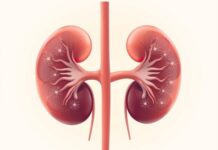
Ovarian tissue cryopreservation involves an operation to remove and freeze ovarian tissue, usually before chemotherapy. If you later want to try for pregnancy, tissue may be transplanted back; it can also restore ovarian hormone function. It avoids the stimulation process, but it is surgery and later transplantation may not be suitable for everyone. Because cancer cells could be present in tissue, the team needs to assess the risk of reintroducing disease before considering a transplant.
The same 2026 guideline weakly prefers egg freezing over tissue freezing for sexually mature women, citing higher cumulative pregnancy and lower morbidity. That is a conditional preference, not a guarantee of success or a rule for every patient. It identifies tissue freezing as an option when stimulation cannot be done. Ask which methods your centre offers and how age, ovarian reserve, treatment schedule and personal preferences affect the choice.
Ovarian Tissue Cryopreservation And Egg Freezing: Timing Matters
Do not wait for chemotherapy to start before asking about fertility. Request an urgent referral to a reproductive-medicine or oncofertility specialist when treatment is being planned, and ask the oncology team what start date is medically necessary. The specialist can review your age, ovarian reserve and available options alongside that deadline.
Stimulation does not always need to wait for a particular point in your menstrual cycle. The 2026 guideline conditionally supports “random-start” stimulation when cancer treatment must begin within two weeks. Its pooled data found only one additional mature egg with this approach, but judged the time saved to outweigh the small increase in medication use. This does not mean every patient can complete a cycle within the same timeframe; your care teams need to set a schedule that fits your treatment plan.
Tissue freezing may be considered when stimulation is not feasible, but it also requires arranging a procedure. Ask the clinic to explain the expected timeline for each option, what needs to happen before chemotherapy, and whether the proposed plan would change your treatment start date. Access, funding and local rules differ across countries, so check what is available where you are. For a broader overview of the choices, see fertility preservation before cancer treatment.
What Is Known About Recurrence And Pregnancy?
Available findings are reassuring but not conclusive. A 2026 systematic review of 19 studies in young women with breast cancer found that fertility preservation did not appear to worsen cancer outcomes, while noting that most studies were retrospective and follow-up was mainly short to medium term. The authors said longer prospective follow-up is needed. This supports discussing preservation; it cannot establish that recurrence risk is absent for every person or every tumour subtype.
Pregnancy after breast cancer may be considered, including after hormone-receptor-positive disease, but whether and when to try depends on your cancer treatment and individual circumstances. A review by Antonella Turla and colleagues at ASST Valcamonica in Esine, Italy, describes reproductive planning as part of oncology care and discusses temporary endocrine-treatment interruption. Do not stop or pause endocrine therapy on your own: any decision about pregnancy timing or a treatment break needs to be made with your oncology team.
Eggs, embryos or tissue stored now are options for later—not a promise of pregnancy or live birth. For tissue transplantation, the team must also consider whether cancer cells could be present; the guideline recommends examining ovarian tissue and using additional testing when metastatic risk warrants it. Ask your specialists how these uncertainties apply to your diagnosis. If chemotherapy timing, recurrence concerns or pregnancy plans are weighing on you, bring them to your oncologist and a fertility specialist together.