




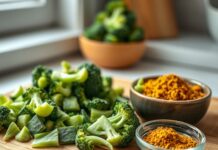

















Whole Grains May Lower Colorectal Cancer Risk
Fiber and colorectal cancer: whole grains are linked with lower risk, but the evidence does not prove prevention. Learn what dose-response findings mean.

Is Coconut Oil Healthier Than Butter or Olive Oil?
Is coconut oil healthy for your heart? See how it compares with butter and olive oil on LDL cholesterol, why MCT claims differ, and what heart-event data can tell you.

Do Vitamin K2 Supplements Protect Bone After Menopause?
Vitamin K bone health evidence is mixed: see what MK-4 and MK-7 trials say about fractures, how guidelines compare, and why warfarin users need caution.
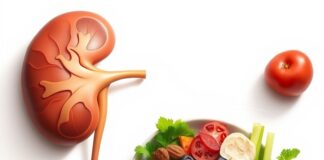
Do High-Protein Diets Harm Your Kidneys If You’re Healthy?
Does too much protein in kidneys cause damage? Learn what short-term filtration changes mean, what long-term studies cannot prove, and who needs tailored advice.
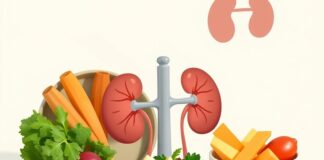
Do High-Protein Diets Harm Healthy Kidneys?
Is too much protein bad for your kidneys? Learn why filtration may rise, what research says about lasting harm, and why CKD needs different guidance.

Can You Eat Soy During Breast Cancer Treatment?
Soy foods breast cancer concerns? See what recurrence and survival research says about tofu, soy milk, tamoxifen, aromatase inhibitors and supplements.

Do Seed Oils Cause Inflammation? What Human Studies Show
Are seed oils inflammatory? Human trials on linoleic acid, inflammation markers and what replacing saturated fat with unsaturated oils may mean for heart health.
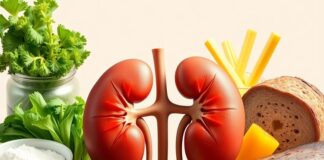
Do High-Protein Diets Damage Healthy Kidneys?
Do high-protein diets harm healthy kidneys? Learn what kidneys and protein research says about filtration changes, what remains uncertain, and how CKD changes advice.

Soy Foods And Breast Cancer: What The Evidence Says
Soy foods breast cancer research suggests whole soy foods do not raise risk and may be linked to fewer recurrences. Supplements are a different question.

Can Eating Vegetables Before Carbs Lower Blood Sugar?
Meal sequencing diabetes may blunt post-meal glucose rises, but short-term studies do not prove diabetes prevention or replace prescribed treatment plans.