

















If you feel lightheaded, unsteady or close to fainting after you stand, orthostatic hypotension is one possible cause. It means blood pressure falls unusually when you move upright. The symptom alone cannot confirm it: a clinician checks your blood pressure in different positions and looks for medicines or health conditions that may explain the change.
What Happens When You Stand?
Gravity shifts blood toward your legs and abdomen when you stand. Your body normally responds by tightening blood vessels and adjusting your heart rate to maintain blood flow. If those responses are not enough, blood pressure can drop and briefly reduce blood flow to the brain.
Clinicians commonly define orthostatic hypotension as a fall of at least 20 mmHg in systolic pressure (the top number) or at least 10 mmHg in diastolic pressure (the bottom number) within three minutes of standing. It may cause dizziness, blurred or dim vision, weakness, slower thinking or fainting. Some people have no obvious symptoms, and unexplained falls can sometimes be a clue. Other conditions can also cause dizziness, so symptoms do not establish the cause on their own.
How Clinicians Measure Orthostatic Hypotension
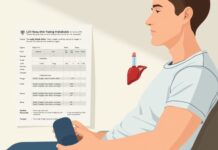
A common check begins with you lying quietly for about five minutes. A clinician measures your blood pressure and heart rate, then helps you stand and repeats the measurements—often at one and three minutes. Tell them if you feel unwell during the test; you should not try to reproduce faintness alone at home.
If your symptoms fit but the readings are normal, the drop may have happened too briefly or later than the checks. A clinician may repeat the test or consider longer monitoring or a tilt-table test. Your account matters too: note when symptoms occur, how long they last, whether they improve when you lie down, and any recent illness, falls or medication changes.
A faster heart rate on standing without the characteristic blood-pressure fall can point to a different problem, such as postural orthostatic tachycardia syndrome (POTS). The distinction matters because the assessment and treatment may differ.
Medicines And Conditions That Can Contribute
Orthostatic hypotension can result from reduced blood volume, medication effects, or problems with the body’s automatic blood-pressure control. Blood-pressure-lowering medicines and some antidepressants may contribute; several medicines together can also complicate the picture. Do not stop or change a prescribed medicine on your own. Ask a clinician or pharmacist to review the full list, including recent dose changes.
Fluid loss or other causes of low blood volume may play a role. Conditions affecting automatic nerve control include diabetes, Parkinson’s disease and spinal-cord injury. Heart failure, heart-rhythm problems and other heart conditions can also be relevant. More than one factor may be involved, so a blood-pressure reading does not identify the underlying cause by itself.
Steps That May Reduce Symptoms
While you arrange an assessment, take care when changing position: sit at the edge of the bed before standing, and rise slowly. If you start to feel faint, sit or lie down rather than trying to walk through it. Some people benefit from leg-crossing or squatting counter-movements, or from compression garments, but these measures are not right for everyone.
Keeping up with fluids may help when low fluid volume is contributing. Increasing salt can also improve orthostatic symptoms for some people, but do not make a large change without medical advice—especially if you have high blood pressure, heart or kidney problems, or high blood pressure while lying down. Alcohol, hot environments and standing after a meal can worsen symptoms for some people; noticing patterns in a symptom diary can help guide a discussion with your clinician.
If you are also managing high blood pressure, learn more about managing hypertension, but do not change treatment based on general advice. Balancing standing symptoms against blood pressure at other times may require an individual plan.
When Dizziness Or Fainting Needs Urgent Assessment
Seek urgent medical assessment if symptoms start suddenly or fainting happens during physical activity, or alongside chest pain or palpitations. These features may indicate a heart problem rather than a simple postural drop. If someone remains unconscious, has trouble breathing or is seriously injured after fainting, call your local emergency number.
For recurring dizziness, fainting or unexplained falls, arrange a clinical review even if you feel better after lying down. Treatment depends on the cause: a clinician may review medicines, address a contributing condition, suggest tailored lifestyle measures or consider medication. Some treatments that raise standing blood pressure can also raise it while lying down, so monitoring and follow-up matter. Seek medical advice before changing fluid or salt intake or using a treatment for ongoing symptoms.