






















Bleeding With Nexplanon: What’s Common and What Can Help?
Nexplanon bleeding can mean spotting, irregular or prolonged episodes. Learn what’s common, when to check other causes, treatment options and removal choices.

What is PCOD and PCOS? Are they same?
PCOD (Polycystic Ovary Disease) and PCOS (Polycystic Ovary Syndrome) are two common hormonal disorders that affect women. Both of these conditions involve an imbalance...

Menstrual Migraine: Recognize the Pattern and Prevent Attacks
Menstrual migraine often follows a predictable cycle window. Learn how to track attacks and discuss short-term prevention, hormones and aura-related safety.

Taking Levothyroxine? Your First Steps After a Positive Test
Taking levothyroxine and pregnant? Learn when to contact your clinician, how testing and dose changes are handled, and what elevated TSH during pregnancy means.

Late Breast Swelling Around an Implant: When to Act
BIA-ALCL is rare, but persistent swelling, fluid or a lump around an implant—especially years later—needs assessment. Learn how ultrasound and fluid testing help.

Genital Herpes in Pregnancy: What Changes at Birth
Herpes in pregnancy needs prompt advice if newly acquired. Learn why timing matters, when antivirals may be offered, and how symptoms can affect birth planning.

Could Treating A Sexual Partner Help Prevent BV Recurrence?
Recurrent BV causes are not always clear. See what partner-treatment trials found, how US guidance has shifted, and what to ask your clinician about recurrence.

Planning Pregnancy With Epilepsy: Review Your Medicines
Plan epilepsy and pregnancy with a specialist: review seizure medicines, understand valproate risks, protect seizure control and agree a folic acid dose.

When Breastfeeding Can Be Relied on for Birth Control
The lactational amenorrhea method can help prevent pregnancy only while all three conditions hold. Learn when feeding, periods or timing mean switching methods.
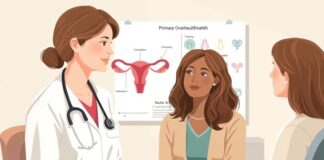
Why Hormone Therapy Matters After POI Before 40
Primary ovarian insufficiency symptoms may be mild, but hormone therapy before 40 replaces missing hormones and supports bone health until usual menopause.