









If you are looking for anosmia treatment after a virus, olfactory training is the most practical first step to discuss or try: it involves regularly and deliberately smelling a set of distinct odours over time. It may help, but it is not a guaranteed cure, and recovery can also happen naturally. If your smell loss persists, is mainly on one side, or is getting worse, arrange an assessment rather than assuming it is still just a viral after-effect.
Anosmia Treatment: How To Do Olfactory Training
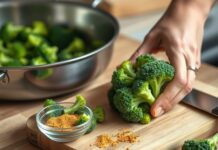
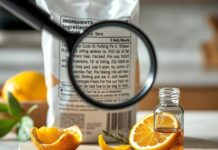
Choose several distinct, familiar scents, such as coffee, citrus or spices. Smell each one separately and attentively, trying to recognise it and recall what it should smell like. Repeat the practice regularly. Many protocols continue for at least 12 weeks; research suggests longer training may help, though protocols differ and there is no single proven schedule that suits everyone. Avoid putting substances inside your nose.
The goal is repeated, focused exposure—not forceful sniffing or using increasingly strong scents. Keep a simple note of changes, including whether odours become detectable, recognisable or distorted. Improvement may be gradual. Olfactory training is supported in reviews as a first-line or recommended option for postviral smell loss, but findings for COVID-related loss are less consistent.
What The Research Says—and What It Cannot Promise
A 2020 evidence-based review by Nanki Hura and colleagues included 36 studies involving 2,183 people with postviral smell loss. It recommended olfactory training, while noting that the quality of evidence for many drug treatments was too limited for firm recommendations. A 2022 review by Samuel Helman and colleagues also supported training as a first-line intervention.
COVID-specific results are more mixed. In 2025, Ali Asseri and colleagues pooled results from eight randomised controlled trials of training for post-COVID smell dysfunction. They reported improved scores on validated smell tests compared with control groups. By contrast, a 2024 systematic review by Sabrina Bischoff and colleagues assessed 36 randomised and non-randomised studies of COVID-related smell loss and found no notable benefit from olfactory training or corticosteroids on its main measure of smell function.
These conclusions are not identical: the reviews included different kinds and numbers of studies, and training methods and outcome measures vary. The newer positive analysis is encouraging, but it does not establish how much an individual will improve or which training schedule works best. The more cautious review also does not prove training cannot help anyone. For now, regular training is a reasonable option, with realistic expectations.
Why Steroids And Supplements Aren’t Routine Self-Care
A standard steroid nasal spray used on its own has not shown reliable benefit for postviral smell loss. Some reviews consider short-term oral or topical steroids an option for selected patients, but oral steroids can have important risks and should be considered with a clinician. Specialist-directed treatments aimed at the olfactory cleft are not the same as using an ordinary spray at home. Steroids can be useful for other conditions, such as some forms of sinus disease, so the cause of the smell loss matters.
Supplements are not a proven shortcut either. Research on vitamin A, alpha-lipoic acid and other products is inconsistent, and there is no general consensus to use them for COVID-related smell loss. The 2025 meta-analysis reported promising results when training was combined with PEA-luteolin, but it also called for larger, standardised trials. That finding is not enough to establish a routine supplement treatment or a reliable benefit for you. Check with a clinician or pharmacist before starting a supplement, particularly if you take other medicines.
When To Get Your Smell Loss Checked
Book an appointment if smell loss is ongoing, new without a clear viral illness, worsening, or noticeably one-sided. A clinician can check for other causes, including nasal or sinus problems, and decide whether further examination is needed. Seek assessment sooner if you have other concerning symptoms or the change followed a head injury. This article cannot determine the cause of your symptoms.
Smell loss can affect appetite and make it harder to notice smoke, gas or spoiled food. Consider practical safety measures at home while your sense of smell is reduced. For more on tracking recovery and seeking care, see this guide to regaining your sense of smell after a virus.
If symptoms are affecting your eating, mood or daily life, tell your clinician. They can help assess the problem and discuss options without assuming there is a quick cure.