















If you’re wondering how to regain sense of smell after a respiratory virus, olfactory training—repeated, deliberate exposure to distinct odors—is the best-supported low-risk approach. It may help, but recovery can be gradual and isn’t guaranteed. Steroids have less certain benefits, so don’t start tablets or change nasal treatment without a clinician’s advice.
How to regain sense of smell: what training can do
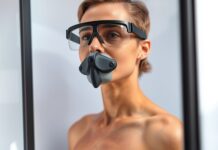
Olfactory training is a structured routine of smelling several different odors regularly and paying attention to each one. It is not the same as taking strong sniffs of irritating substances. If you try it, use a recognized training protocol or ask a clinician for one, and continue consistently for weeks rather than judging it after a few days.
A 2025 meta-analysis by Ali Alsuheel Asseri and colleagues combined eight randomized controlled trials of people with smell loss after COVID-19. The studies, identified through searches up to February 2025, measured smell using standardized tests. Overall, training improved test scores compared with control groups. That supports trying training, but does not tell you exactly how much an individual will improve: the trials were limited in number and protocols varied.
A broader 2021 systematic review by Fan Yuan and colleagues included 20 studies of post-viral smell loss, with data from 2,415 patients. It concluded that longer classical training—more than 12 weeks—was more helpful than short-term training. The review covered different viruses and treatments, so its results cannot predict an individual’s recovery after a particular infection. Some people also recover without treatment, making it hard to separate training’s effect from natural improvement.
Do steroids help after viral smell loss?
The answer depends partly on the type of steroid and how it is delivered, and the results are not consistent enough to make steroids a routine fix. In a 2023 meta-analysis, Mona Kabiri and Maryam Emadzadeh examined six randomized trials involving 712 people with post-COVID smell loss. Steroid groups did not show a significant advantage in how quickly smell improved or in participants’ self-ratings. Some objective test results and recovery counts favored treatment, but the different measures did not point to a clear, dependable benefit.
Yuan and colleagues’ broader post-viral review found that ordinary nasal steroid sprays alone did not appear to improve smell reliably. It reported better results from steroids delivered directly to the olfactory cleft—the high part of the nasal cavity involved in smell—but that is a specialist approach, not a do-it-yourself treatment. Steroid tablets can have important risks. Ask a clinician whether any steroid is appropriate for your situation rather than using leftover medication or starting it for smell loss alone.
How recovery is monitored
Keep a brief record of what you notice: whether familiar odors are becoming clearer, whether some remain absent, and whether smells are distorted or seem to occur without a source. Distortion, called parosmia, can happen alongside reduced smell and may affect eating. A change in your day-to-day experience is useful to report, but it is not a precise measurement of smell function.
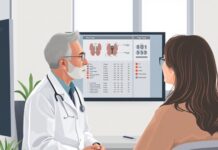
Clinicians can use standardized smell tests, including Sniffin’ Sticks or the University of Pennsylvania smell identification test. A 2023 review by Zhen Yu Liu and colleagues in BMJ Medicine noted that these psychophysical tests can detect smell loss more sensitively than subjective questions alone. If recovery seems stalled, ask whether formal testing or referral to an ear, nose and throat specialist would help clarify what is changing.
When persistent or one-sided symptoms need assessment
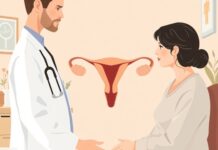
Arrange a medical assessment if smell loss persists, is not gradually improving, or is mainly on one side. A viral illness may explain the timing, but it cannot establish that every ongoing smell problem has the same cause. A clinician can review your symptoms and decide whether further examination is needed. Seek advice sooner if you have other new symptoms that concern you. This guidance is not a diagnosis; a healthcare professional can assess your circumstances.
Make daily life safer while smell is reduced
Until you can reliably smell, don’t depend on your nose to detect smoke, a gas leak or spoiled food. Check that smoke alarms work and follow local guidance on suitable gas-leak detectors if your home uses gas. Carbon monoxide alarms are also important where fuel-burning appliances are used; carbon monoxide has no smell, so a reduced sense of smell is not the reason it can be missed. Check food dates and storage instructions, discard food when in doubt, and ask someone else to check if you’re unsure. Don’t taste food to test whether it is safe.