
















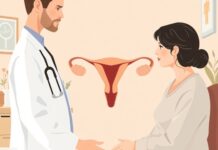




Yes, can you get pregnant after ablation? Pregnancy is still possible because endometrial ablation treats the lining of the uterus; it does not reliably prevent an egg from being fertilized or a pregnancy from developing. Because pregnancy afterward can carry serious risks, you still need reliable contraception, even if your periods stop.
Can You Get Pregnant After Ablation?
Ablation destroys or damages the uterine lining to reduce heavy bleeding. It can make pregnancy less likely, but it is not a contraceptive procedure. If some functional lining remains, pregnancy can occur. Bleeding may also become very light or stop altogether, so the absence of periods does not rule out pregnancy.
Pregnancies have been reported months and even years after treatment. A systematic review by Jaden R. Kohn and colleagues, published in 2017, gathered 274 pregnancies from 99 sources; 78 were case reports. The reported pregnancies occurred in people aged 26 to 50, and conception happened a median of 1.5 years after ablation. This review describes reported pregnancies, not the chance that any one person will become pregnant. It also found that, when contraception use was reported, most had not used it.
Why Pregnancy After Ablation Can Be Dangerous
In the same review, 85% of pregnancies drawn from trial and observational sources ended in termination, miscarriage, or ectopic pregnancy. Among pregnancies that continued, reports included preterm birth, cesarean delivery, and placenta that attached abnormally deeply to the uterus. That condition can cause severe bleeding and may require a hysterectomy. Other reported complications included restricted fetal growth, uterine rupture, and pregnancy loss.
These figures need careful interpretation: many of the review’s sources were case reports, and the authors noted that severe outcomes may be more likely to be published. The review cannot establish the exact risk for an individual or give a precise pregnancy rate. It does show why clinicians advise avoiding pregnancy after ablation and using reliable contraception.
Tubal sterilization does not make pregnancy impossible either. It is an effective contraceptive method, but it can fail. Rare case reports describe pregnancy after both sterilization and ablation, so pregnancy should still be considered if you have symptoms or a positive test.
What Contraception Is Recommended After Ablation?
Royal Devon NHS patient information says you will still need contraception after the procedure. Worcestershire Acute Hospitals NHS guidance advises long-lasting contraception because pregnancy can be dangerous. The systematic review recommends reliable contraception after ablation. These recommendations do not mean there is one best method for everyone: a clinician can help you choose a method that fits your health, preferences, and plans.
Continue contraception until menopause is established, rather than stopping because ablation has reduced or ended bleeding. Since ablation can change your periods, bleeding patterns alone may not tell you whether you have reached menopause. Ask your clinician how to judge when contraception is no longer needed for you.
When to Seek Care for a Possible Pregnancy
If pregnancy is possible, take a pregnancy test and contact a healthcare professional promptly if it is positive—even if you have had an ablation, tubal sterilization, or no periods. Do not assume bleeding changes are simply the result of ablation. A clinician can assess the pregnancy and its location.
Seek emergency care for severe abdominal or pelvic pain, heavy bleeding, fainting, or marked dizziness. These symptoms need urgent assessment; do not wait for a routine appointment. If you are unsure what to do, contact a local urgent medical service or clinician for advice.
Pregnancy after ablation is uncommon, but it is possible and may be serious. Keep using reliable contraception until menopause is established, and seek prompt medical advice if pregnancy is suspected.