

















Plant sterol fortified foods can lower LDL cholesterol, usually by a modest amount. The clearest evidence is for regular intake of a measured daily dose—often around 2 g—not for eating ordinary plant foods alone. These products can be an add-on for some people, but they have not been shown to prevent heart attacks or strokes, and they are unsuitable for people with sitosterolemia.
What Plant Sterol Fortified Foods Can Do
Plant sterols and stanols are plant compounds that reduce cholesterol absorption in the gut. A 2026 umbrella review by Andreea Zurbau, Lukas Haintz and colleagues examined 14 systematic reviews and meta-analyses of randomized trials in adults with varied health statuses. Across the reviews, LDL fell by about 0.26–0.36 mmol/L (roughly 10–14 mg/dL). The researchers judged the evidence for LDL reduction to be generally high in certainty.
An earlier meta-analysis of randomized trials found an average LDL reduction of 0.31 mmol/L (about 12 mg/dL) compared with placebo. Across studies, reductions are often described as roughly 5–15%; your result may differ, and people with higher starting LDL tended to see larger reductions than those with normal or near-normal levels.
That is a meaningful change in a blood test, but it is not the same as proof that the food prevents cardiovascular events. The LDL findings do not establish that these products reduce heart attacks, strokes or deaths. Earlier estimates of heart-risk reduction were projections based on LDL changes, not direct tests of those outcomes.
How Much to Take—and What the Studies Can Tell You
About 2 g of plant sterols or stanols per day is a familiar target for fortified foods. The 2026 dose-response review also reported LDL reductions of at least 0.2 mmol/L at doses as low as 0.5–1 g daily, but that does not mean every product or person will get the same result. Check the label for the amount in the recommended serving; a product’s general claim does not tell you how much you are actually getting.
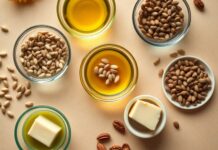
Enriched spreads, mayonnaise or salad dressings, milk and yogurt have been effective food carriers in trials. Results were weaker with some other carriers, including cereal bars, orange juice and non-fat drinks. One meta-analysis found that taking the full amount as a single morning dose did not significantly lower LDL, suggesting the way you use a product may matter. Follow its label rather than assuming that an occasional serving will match the studied intake.
The 2026 review reports dose and LDL effects but does not give one common trial duration or a universal time by which to expect a change. So it cannot establish a guaranteed timeline. If you and your clinician decide to try a product, ask how to assess whether it is helping rather than relying on a label claim.
WHO Might Consider Them—and WHO Should Avoid Them
These foods may suit someone with elevated LDL who wants an additional dietary measure, especially if their usual diet can accommodate a consistent daily serving. They should sit alongside established risk-reduction measures, not replace them. Plant sterol products are not a substitute for a prescribed statin or other cholesterol treatment; do not stop or change medication without discussing it with your clinician. For other food-based approaches, see this guide to oat beta-glucan and LDL.
People with sitosterolemia should avoid plant sterol-enriched foods unless their specialist advises otherwise. In this rare inherited condition, the body absorbs and retains too many plant sterols; adding more can worsen the abnormal buildup. If you have been diagnosed with sitosterolemia, ask your specialist before using a product containing added sterols or stanols.
For most other people, the main decision is whether a modest LDL reduction is worth the cost and the habit of taking a measured serving regularly. Product formulations and availability vary by country, so check the local package for its daily amount and ingredients. If you have high cholesterol or cardiovascular disease, discuss the role of these foods with a healthcare professional as part of your overall plan.