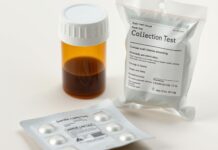



















A positive TB blood test suggests your immune system has recognized TB bacteria, but it cannot tell whether you have latent tb infection or active TB disease. The next step is an assessment—not an assumption that you are contagious or that you need a particular treatment. A clinician will check for signs of active disease and use that information to decide what happens next.
What A Positive Test Means About Latent TB And Active Disease
An interferon-gamma release assay (IGRA) measures how your immune cells respond to TB-related proteins. A positive result usually means TB infection, but the test does not show where bacteria are in your body or whether they are currently causing illness.
In latent TB infection, a person has no symptoms of TB disease and is not infectious. Active TB disease means the bacteria are causing illness; when it affects the lungs, it can spread to other people. An IGRA cannot distinguish between these states. A positive result is therefore a reason to complete the assessment, not a diagnosis of active disease.
What Assessment May Follow
Your clinician will ask about symptoms and your TB history, including possible exposure, previous tests or treatment, and factors that can increase the risk of TB progressing to disease. Mention symptoms such as a persistent cough, fever, night sweats, or unexplained weight loss if you have them. Their presence does not by itself confirm TB, and having no symptoms does not replace the rest of the assessment.
A chest X-ray is commonly used to look for signs of TB in the lungs. It can help identify changes that need further investigation, but an X-ray alone does not confirm or exclude every case. If symptoms or imaging raise concern for active pulmonary TB, clinicians may request sputum samples to test for TB bacteria. Further tests depend on the findings and, where relevant, which part of the body may be affected.
If active disease is ruled out and the overall assessment supports latent infection, the result may be recorded as latent TB infection. If active TB is suspected, further testing is needed before deciding on treatment. Contact a healthcare professional promptly if you have TB symptoms or have been told your result is positive and have not yet had follow-up.
How BCG Vaccination Affects Test Choice
Tell your clinician if you received the Bacille Calmette-Guérin (BCG) vaccine. BCG can make a tuberculin skin test (TST) positive even when the person does not have TB infection. TB blood tests such as IGRAs use TB proteins that are absent from BCG, so BCG vaccination does not cause a positive IGRA result. That is why an IGRA is often preferred for people who have had BCG, including in U.S. guidance.
Testing pathways are not identical everywhere. Some health systems use an IGRA as the initial test; others may use a skin test followed by an IGRA, depending on the person and local guidance. In the UK and other lower-incidence settings, IGRA testing is widely used, either alone or in a two-step approach. Your vaccination history helps with test choice, but it does not replace the assessment needed after a positive result.
When Preventive Treatment May Be Offered
If you have latent TB infection and active disease has been excluded, a clinician may offer preventive treatment to lower the chance of developing TB disease later. The decision depends on your individual risk, including factors such as recent close contact with someone with infectious TB or a weakened immune system, as well as your health circumstances and local guidance. A positive test does not mean everyone will be offered the same plan.
In the United States, the CDC describes short-course options and says treatment for latent TB infection is highly effective at preventing TB disease. Other countries may use different eligibility criteria and care pathways. Ask the clinician coordinating your care what the result means in your situation, whether active TB has been excluded, and whether preventive treatment is recommended where you live. Do not start or stop TB medicines without medical advice.
This article offers general information, not a personal diagnosis. If you have symptoms that could be TB, or a positive result without a follow-up plan, seek advice from a clinician or local TB service.