






















When Hives Last More Than Six Weeks: What Happens Next
Learn how chronic spontaneous urticaria is diagnosed, when allergy tests help, and how treatment can progress from antihistamines to specialist medicines.

Could Adult-Onset Diabetes Be Type 1? Understanding LADA
Adult onset type 1 diabetes can resemble type 2. Learn how symptoms, islet antibodies and a C-peptide test clarify LADA—and when to seek urgent care.

Mildly High TSH: When Treatment Can Wait
A mildly high TSH with normal T4 may be subclinical hypothyroidism. Learn how repeat tests, symptoms, age and TPO antibodies shape treatment decisions.

Fatty Liver With Normal Tests: When Scarring Checks Matter
Fatty liver disease can progress with normal ALT. Learn how clinicians use FIB-4 and liver elastography to assess fibrosis risk and decide on referral.

TIA Symptoms That Go Away Still Need Urgent Assessment
Transient ischemic attack symptoms can fade, but urgent assessment matters. Learn about imaging, ABCD2 limits, prevention and when to call emergency services.

Polymyalgia Rheumatica: What Diagnosis And Treatment Involve
Searching “myalgia rheumatica”? Learn how PMR symptoms, blood tests and look-alike conditions are assessed, plus steroid tapering, relapse checks and urgent warning signs.

When Should You Get Tested for Alpha-1 Antitrypsin Deficiency?
An alpha 1 antitrypsin test can uncover inherited risk, but a low blood level needs confirmation. Learn who should test and what results mean.

Leg Pain When Walking? How PAD Testing Finds Artery Disease
Peripheral artery disease symptoms can include walking pain. Learn how ABI testing works, why a normal result may miss PAD, and when exercise or toe tests help.
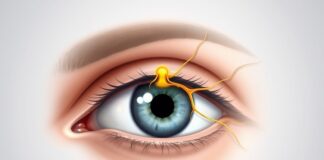
Idiopathic Intracranial Hypertension: Protecting Your Vision
Learn what pseudotumor cerebri symptoms can mean, how doctors confirm IIH, why vision checks matter and how treatment may help protect sight.

How Doctors Check for Liver Scarring With Type 2 Diabetes
A FIB 4 score can help assess liver scarring risk, but normal enzymes do not rule it out. Learn how age, elastography and local guidance shape follow-up.