












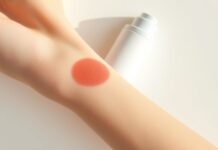








Scombroid poisoning symptoms can look remarkably like a fish allergy, including flushing, itching, rash, headache, and sometimes stomach upset. The difference is the cause: scombroid, also called histamine fish poisoning, occurs when bacteria in fish that has not been kept cold turn a naturally occurring substance into histamine. A reaction can start within minutes to a few hours after eating the fish, and cooking does not remove histamine that has already formed.
How Scombroid Poisoning Symptoms Can Start
Tuna, mackerel, bonito, and other dark-meat fish are common sources, but sardines, anchovies, herring, and mahi-mahi can also be involved. It is not limited to a particular cuisine or to raw fish: mishandling can happen at different points between the catch and your plate.
Symptoms often begin quickly. They may include a flushed or red face, itching, hives or rash, headache, a burning feeling in the mouth or a peppery or metallic taste, nausea, vomiting, or diarrhoea. Some people also have a fast heartbeat or low blood pressure. Symptoms may settle within hours, but severity varies; serious reactions can occur.
A 2023 report of a tuna-associated cluster in Ireland described three people who ate cooked tuna at home. Their symptoms began 30 minutes to two hours later and included flushing, facial or lip swelling, an itchy rash, and palpitations. That small cluster illustrates two useful points: cooked fish can still cause histamine poisoning, and several diners becoming ill after sharing a fish meal raises suspicion of a shared food-related cause. It does not, by itself, confirm the cause of any other person’s symptoms.
Clues That May Help Distinguish Poisoning From Fish Allergy
The symptoms overlap, so appearance alone cannot reliably tell you which one it is. Scombroid poisoning is more likely when symptoms follow fish known to be associated with histamine, begin soon after the meal, and affect more than one person who ate the same fish. A fish allergy is an immune reaction to the fish; a histamine reaction comes from histamine already present in the food. One diner becoming ill does not rule out poisoning, and these clues are not a diagnosis.
Fish can contain hazardous histamine without looking or smelling spoiled. If you have a reaction, note what fish you ate, when you ate it, when symptoms began, and whether anyone else who shared the meal became unwell. Contact a clinician for assessment, especially if this is your first reaction or it is unclear whether you may have an allergy. Do not use a suspected poisoning episode as a reason to test whether you can safely eat the fish again.
Why Cooking or Freezing Won’t Remove Histamine
When certain bacteria grow in fish that has been kept too warm, they can convert histidine in the fish into histamine. Once formed, that histamine is resistant to cooking, smoking, freezing, and canning. Heating or freezing may affect bacteria, but it does not reliably remove the histamine already in the fish. Nor can you judge safety by appearance alone.
Prevention depends on temperature control before the histamine forms. Fish needs rapid chilling after it is caught and careful refrigeration during transport, processing, retail, and home storage. Guidance for initial cooling can depend on factors such as fish size and conditions at the catch, so consumers cannot verify the whole cold chain themselves. Buy fish from reputable sellers, keep it cold on the way home, refrigerate it promptly, and follow storage instructions.
When to Get Urgent Help—and How to Report It
Seek emergency help for trouble breathing, fainting or collapse, severe weakness, chest pain, or rapidly worsening swelling. Scombroid poisoning can sometimes cause severe effects, and a reaction that looks like poisoning can also be an allergic emergency. If you are unsure, treat serious symptoms as urgent rather than trying to distinguish the causes at home.
If symptoms are mild but you suspect histamine poisoning, contact a healthcare professional for advice. Do not try to treat severe symptoms yourself. If other people who ate the same fish are ill, tell the clinician and contact the local food-safety or public-health authority; reporting routes and requirements vary between countries and regions. Reporting promptly can help authorities investigate a possible shared food source.