












A low fat diet after cholecystectomy is usually a short-term adjustment, not a lifelong rule. You may find large or rich meals harder to tolerate at first, so try smaller amounts and build back toward your usual varied diet as you recover. If diarrhoea continues, do not assume food intolerance is the only explanation: bile acid diarrhoea is one possible cause worth discussing with a clinician.
Why You May Need To Adjust Meals At First
Your liver still makes bile after gallbladder removal, but the gallbladder no longer stores and releases it in a concentrated amount around mealtimes. Bile instead flows into the intestine more continuously. Many people adapt, but some notice bloating, indigestion or looser stools, especially after a large, high-fat meal.
Follow the eating and recovery instructions from your surgical team, particularly if your operation was complicated or you have other health conditions. Once you are able to eat normally, there is no single food list that everyone must follow. If a meal triggers symptoms, reducing the portion or having it less often may be more useful than permanently ruling out an entire food group.
How To Reintroduce Fat After Surgery
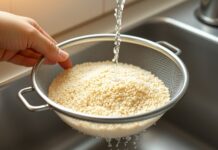
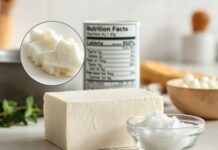
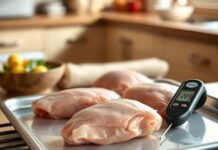
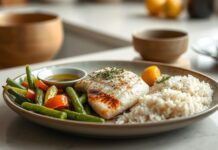
Begin with foods and portions you find comfortable, then add richer foods in modest amounts rather than testing several high-fat items at once. Spread fat across meals instead of having a very large amount in one sitting. This makes it easier to notice what you tolerate and avoid unnecessarily restricting your diet.
Some postoperative advice recommends limiting fat for a few months, then increasing it gradually. But the timing is not established as a universal rule. A 2024 review by Tushar Dahmiwal and colleagues, published in Cureus, included nine articles on diet and outcomes after gallbladder surgery. It described reports of symptoms after fried or fatty foods, while concluding that the evidence for dietary changes improving outcomes is not strong enough to support one standard plan.
A small study offers a useful caution against treating food associations as firm rules. Yongju Shin and colleagues studied 59 people who had laparoscopic surgery at Hanyang University Seoul Hospital in South Korea. At three months, people reporting symptoms also reported higher intakes of animal protein, cholesterol and eggs, and lower vegetable intake. The study found associations, not proof that these foods caused symptoms; its small Korean sample also cannot establish what every patient in other countries should eat. It is not a reason to automatically avoid eggs or other specific foods.
Do You Need A Low Fat Diet After Cholecystectomy Long Term?
For most people, the aim is a balanced diet that you tolerate—not permanent fat avoidance. If you feel well as you expand your meals, there is no reason in these findings to keep following a strict low-fat plan solely because your gallbladder was removed. If certain amounts or foods consistently bring symptoms back, note the pattern and discuss it with a clinician or dietitian rather than making broad restrictions indefinitely.
That advice has limits: research on specific foods and long-term dietary rules is sparse, and people’s symptoms differ. Persistent symptoms may also have causes that a diet change alone will not address.
When Ongoing Diarrhoea Needs Assessment
Loose stools can happen after surgery, but ongoing watery diarrhoea deserves medical assessment, especially if it is affecting daily life. One possible cause is bile acid diarrhoea: excess bile acids reaching the colon can draw water into the bowel and trigger diarrhoea. It is treatable, but symptoms alone cannot confirm the cause.
In a 2022 systematic review, Alexia Farrugia and colleagues combined results from 21 studies involving 3,476 people and estimated that 13.3% developed diarrhoea after gallbladder removal. The studies used different ways of defining and measuring diarrhoea, and most were observational, so the figure is an estimate rather than a precise prediction for an individual. The researchers recommended early investigation when post-surgery diarrhoea is suspected.
Assessment may include a review of your history and tests for bile acid diarrhoea or other causes. Testing options differ: British Society of Gastroenterology guidance cited in a 2023 review recommends the SeHCAT test for chronic diarrhoea, while other tests are also used. Tell your clinician that you have had gallbladder surgery and explain how long the diarrhoea has lasted. They can decide whether testing or referral is appropriate. Avoid staying on a highly restrictive diet for persistent symptoms without professional advice.