











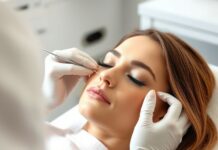






An eyelash extension allergy can cause itchy, red or swollen eyelids, but glue-related irritation and infection can produce overlapping symptoms. Ask what adhesive and under-eye pads will be used, choose a hygienic salon, and don’t pull extensions off yourself. If you develop eye pain, vision changes or worsening redness, seek prompt medical care.
Eyelash Extension Allergy: What Symptoms Can Mean
Adhesives used for extensions are commonly based on cyanoacrylates or other acrylates. Some products may also release formaldehyde-emitting compounds, and the under-eye pads used during application can contain ingredients that irritate sensitive skin. The exact ingredients differ between products, so ask to see the adhesive’s ingredient information before your appointment.
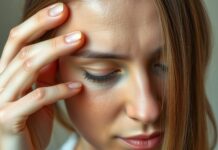
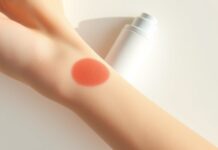
An allergic reaction around the lash line may cause itching, redness, eyelid swelling or a rash. Irritation can also feel like burning, grittiness or tearing. These symptoms don’t confirm an allergy: irritation, dry eye and infection can feel similar. If you’ve reacted to acrylate-based products before, tell your technician and healthcare provider; a reaction to another product doesn’t, by itself, establish what will happen with lash adhesive. You can read more about acrylate allergy and gel polish.
A 2019 literature review by Maliha Masud and colleagues examined reported complications from eyelid cosmetic procedures. Among the eyelash-extension complications described, allergic blepharitis—inflammation of the eyelid—was the most frequently reported. The review included 18 reports of extension-related adverse events, including 42 cases of allergic blepharitis. These are reports of complications, not a count of all people who wear extensions, so they can’t tell you how likely you are to react.
What Studies Can—and Can’t—Tell You
In a 2024 questionnaire study at the University of Benin in Nigeria, Faustina Idu, Adesuwa Efosa and Musa Mutali asked 400 female undergraduate extension users, aged 15–30, about their use and eye symptoms. More than half reported at least one side effect during or after wearing extensions; itching and red eyes were among the symptoms reported. Because the study relied on participants’ recollections and involved a specific group of young women at one university, its results don’t establish the rate of problems among extension users generally or prove that extensions caused every symptom.
Dryness may also be a concern for some people. In a 2024 prospective study, Christina N. Grupcheva and colleagues followed 31 women with dry-eye symptoms who had their extensions removed. Four weeks later, participants reported fewer dry-eye symptoms, and some tear-film and eye-surface measurements had improved. They also avoided makeup and new cosmetic procedures during that period. The findings suggest removal may help selected people with dry eye; they don’t show that every wearer will develop dry eye or that extensions alone caused the symptoms.
Reduce Exposure During Application
- Ask about the products. Find out the adhesive’s ingredients and whether the under-eye pads contain substances you know irritate you. In the United States, the FDA considers eyelash extensions and their adhesives cosmetics and advises checking ingredient information.
- Choose a clean setting. Ask how tools and reusable items are cleaned, and avoid sharing eye cosmetics. Poor lid hygiene and bacteria collecting around the lash line are concerns raised in reports on extensions.
- Speak up about symptoms. Tell the technician if you feel burning or discomfort during application. If irritation begins afterward, don’t book another set until you’ve discussed the reaction with a healthcare professional.
Good precautions may reduce exposure, but they can’t guarantee that you won’t react. If you have a known sensitivity or a previous eye problem, consider discussing the procedure with an eye-care professional before booking.
Don’t Pull Extensions Off at Home
Pulling can tug out natural lashes and irritate the eyelid. Removal products can also cause reactions in some people. Arrange removal with a trained lash professional rather than pulling, scraping or experimenting with solvents at home. If your eye is painful, very swollen or red, or your vision is affected, contact an eye-care professional before arranging salon removal so treatment isn’t delayed.
When to Get Medical Help
Seek prompt medical advice for eye pain, light sensitivity, blurred or reduced vision, marked redness, discharge, or swelling that is worsening or affecting your ability to open the eye. These symptoms need assessment because irritation, allergy and infection can overlap, and some eye problems need timely treatment. Get urgent help for sudden vision loss or severe pain. If you have a bad reaction, stop using eye cosmetics and contact a healthcare provider; don’t try to diagnose the cause from symptoms alone.