















Exercise associated hyponatremia—usually written exercise-associated hyponatremia (EAH)—is a dangerously low blood sodium level that can develop during or after exercise. It often happens when you drink more fluid than your body can lose or excrete. The safest everyday rule for endurance events is to drink to thirst, not to force fluids, and to avoid finishing exercise heavier than you started.
How Exercise Associated Hyponatremia Develops
Blood sodium helps regulate the balance of water in and around your cells. EAH is generally defined as a blood sodium concentration below 135 mmol/L. When you take in too much water or another relatively low-sodium drink, the extra fluid can dilute sodium in your blood. Exercise can also prompt the release of hormones that make your kidneys hold on to water, even when your body has taken in more than it needs.
The 2015 Third International Exercise-Associated Hyponatremia Consensus Development Conference identified overconsumption of hypotonic fluids, often alongside this water-retaining response, as the main mechanism. EAH is most associated with prolonged events, but it has also been reported in shorter activities and other sports. It can occur during exercise or afterward, so symptoms after finishing a race still matter.
Symptoms Can Look Like Dehydration Or Heat Illness
Early symptoms can include nausea, vomiting, headache, and bloating. These are not specific to EAH: dehydration, heat illness, and other problems can cause similar symptoms. You cannot tell what is happening from symptoms alone; assessment by medical staff and a blood test are needed to confirm low sodium.
Confusion, unusual behavior, a severe or worsening headache, repeated vomiting, seizure, collapse, or difficulty breathing are emergency warning signs. Severe EAH can cause brain swelling and become life-threatening. If someone develops these symptoms during or after exercise, stop the activity and alert event medical staff or call your local emergency number. Do not try to treat severe symptoms with sports drinks or salt tablets, or force the person to drink. Other emergencies, including heat stroke, can also cause confusion or collapse and need urgent care.
Sports Drinks And Salt Tablets Are Not A Guarantee
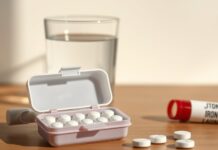
A sports drink may contain sodium, but it is still fluid. Drinking too much of it can still contribute to dilution of blood sodium. Salt tablets do not reliably prevent EAH either: adding sodium does not make it safe to overdrink. Sodium lost in sweat can matter for some athletes, but excess fluid intake is the leading factor in many cases. A supplement cannot replace a sensible fluid plan.
That does not mean every athlete needs to avoid sports drinks or sodium. Needs vary with the event, conditions, and individual sweat losses. The key safety distinction is that electrolyte products are not a license to drink beyond thirst.
Hydrate To Thirst And Avoid Weight Gain
Current sports-medicine guidance favors drinking when you are thirsty rather than following a schedule that tells you to drink whether you need it or not. You do not need to take a cup at every aid station or finish a set volume just because it is available. There is no single hourly amount that suits everyone across different event lengths and conditions.
Weight gain during exercise can be a warning sign that you have taken in more fluid than you have lost. It is not a diagnosis, but avoiding weight gain during an event is a useful check against overdrinking. If you are planning a long event, you can practise your approach in training and learn how sweat-rate estimates can inform hydration planning without turning them into a reason to force fluids.
If you are concerned about symptoms during or after exercise, seek medical assessment rather than guessing whether the cause is dehydration, heat illness, or EAH. For severe symptoms, get emergency help.