

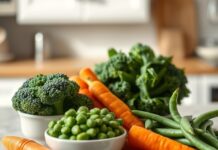




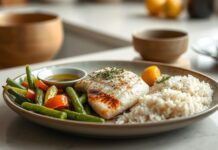












If you’re asking “are frozen vegetables healthy,” the short answer is yes: frozen vegetables can be a nutritious choice, and they are not automatically less nutritious than fresh. The better comparison is what remains after storage and cooking. That depends on the vegetable, how it was handled, and how you prepare it.
Are Frozen Vegetables Healthy At The Point You Eat Them?
A comparison of eight fruits and vegetables—corn, carrots, broccoli, spinach, peas, green beans, strawberries and blueberries—measured four vitamins in refrigerated and frozen samples at three storage times. The researchers found that frozen produce had vitamin levels comparable to fresh produce, and sometimes higher ones. Results varied by nutrient and vegetable: for example, some frozen vegetables had less beta-carotene, while vitamin C was similar in five of the eight foods and higher in frozen samples in the other three.
That comparison helps explain why there is no single winner in the frozen vs fresh vegetables debate. It covered specific crops and vitamins, not every vegetable or every nutrient. It also measured produce during storage, not the full nutritional value of every cooked meal. You should not read it as a guarantee that a particular frozen bag has more nutrients than the fresh option in your shop.
What Blanching And Freezer Storage Change
Many vegetables intended for freezing are briefly blanched—heated in boiling water or steam, or in a microwave—before they are chilled and frozen. Blanching slows enzyme activity that can otherwise affect quality during storage. Because it adds heat, it may also reduce some heat-sensitive vitamins; the amount depends on the vegetable and process. That initial step is one reason frozen vegetables are not always nutritionally identical to fresh ones.
Freezing itself does not destroy nutrients, but it does not stop every change either. Freezing slows enzyme activity, and long storage can affect a vegetable’s quality. Keep frozen vegetables properly sealed and stored at a steady freezer temperature; follow the package guidance for best quality. A fresh vegetable’s nutrient content can also change with time and storage conditions between harvest and your plate. “Fresh” does not necessarily mean recently harvested.
Cooking Can Matter As Much As The Starting Point
In a 2017 study, Seongeung Lee, Youngmin Choi, Heon Sang Jeong, Junsoo Lee and Jeehye Sung compared blanching, boiling, microwaving and steaming in selected vegetables. They measured vitamin content and calculated true retention, which accounts for changes in food weight during cooking. Vitamin C retention varied widely across cooked samples. In general, microwaving retained more vitamin C, while boiling retained the least. The pattern differed by vegetable and vitamin, so the results do not establish one best method for every nutrient.
For a practical choice, avoid cooking vegetables longer than needed. Steaming or microwaving with little water can help limit the loss of water-soluble vitamins into cooking liquid. If you boil vegetables, using the cooking liquid in a soup or sauce can keep some of those dissolved nutrients in the dish. These approaches can suit fresh and frozen vegetables alike. Cook frozen vegetables from frozen when the package recommends it, and adjust the time so they do not become overcooked.
- For a quick side: microwave or steam until just tender.
- For soups and stews: add frozen vegetables directly if the recipe allows, and use the broth as part of the meal.
- For roasting or sautéing: avoid crowding the pan, which can make vegetables steam rather than brown.
Choose The Option You’ll Use
Frozen vegetables can be convenient, available year-round and easy to portion. Fresh vegetables may be your preference for texture, flavor or a particular recipe. The nutrient comparisons do not support treating frozen produce as inferior by default; the results do not mean every frozen product and fresh counterpart will match exactly, either. Check labels if you are choosing seasoned or sauced products, since added ingredients vary by product.
In everyday meals, choosing vegetables you enjoy and will prepare is a useful starting point. For more ideas on building a varied, nourishing eating pattern, see our guide to healthy eating. Whether you choose frozen or fresh, keep cooking simple and use the method that makes vegetables easy to include.