
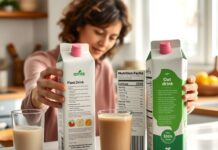

















An expiration date is not always a safety deadline. The words on the package matter: a use-by date is about safety, while best-before usually marks when food is expected to be at its best quality. A US sell-by date is generally intended for retailers, not as a discard date for your kitchen.
How To Read An Expiration Date Label
Think of date labels in two groups. Safety dates tell you when a food should no longer be eaten; quality dates indicate when its taste, texture or freshness may start to decline. The date assumes the food has been stored as the package directs. If it has been kept too warm, or the packaging is damaged, the printed date cannot guarantee it remains in good condition.
Use-By Means A Safety Cutoff
In the UK, EU and Australia, a use-by date is for foods that can become unsafe after a particular point. Follow the storage directions and do not eat the food after the date—even if it looks and smells normal. Harmful bacteria may not change a food’s appearance or smell.
That distinction matters for foods such as fresh meat, fish and ready-to-eat salads. A reassuring sniff is not a substitute for the date or correct refrigeration. Food can also spoil before its use-by date if it was stored incorrectly or its packaging is compromised.
Best-Before Means Quality, Not A Guaranteed Safety Deadline
A best-before date is about quality. If food has been stored properly and its packaging is intact, it may still be usable after that date, though its flavour, texture or freshness may have changed. This label is common on longer-lasting foods such as pasta, rice, tinned goods, frozen foods and snacks.
For food with a best-before date, appearance and smell can help you judge whether its quality has deteriorated. They cannot prove that any food is safe, though, and they should never override a use-by date. There is no single extra number of days that applies to every product after its best-before date.
What “Sell By” Means In The US
In the US, a sell-by date generally helps a store manage stock; it is not a consumer safety deadline. “Best if used by” points to quality. Date-label rules vary by product and jurisdiction, and many US food dates are not safety cutoffs. Infant formula is an important exception: follow its use-by date.
So, when comparing sell by vs use by, do not treat the terms as interchangeable. A sell-by date is not the same as a use-by date used for safety in the UK, EU and Australia. If a US product has a different label, check what that wording means for that product rather than assuming every date is an expiration date.
Why Storage And Packaging Still Matter
Date labels only make sense alongside storage instructions. Keep chilled foods refrigerated as directed, and put cold or frozen groceries away promptly. A product left out of refrigeration can deteriorate ahead of its printed date.
Check packaging for tears, leaks or other damage, and be cautious with food that has not been stored as instructed. For food past a best-before date, the label gives you a quality guide—not a universal guarantee of safety or a precise shelf-life extension.
The simplest rule is to treat use-by as a safety deadline and best-before as a quality guide. A US sell-by date is mainly for store stock management. When in doubt, follow the product’s storage directions and do not rely on smell or appearance to clear food marked use-by.