






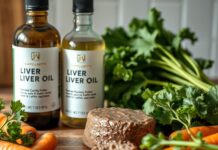












Yes. Too much vitamin A can build up when you regularly get large amounts of preformed vitamin A from liver, pâté, cod liver oil or supplements. Your body stores vitamin A, mainly in the liver, so repeated high intakes matter more than one meal. Pregnancy calls for extra care: liver products are discouraged because excess preformed vitamin A can harm fetal development.
How Too Much Vitamin A Builds Up
Vitamin A comes in different forms. Preformed vitamin A, including retinol, is found in animal foods and products such as liver, dairy, eggs and fish oils. Your body can also make vitamin A from carotenoids in vegetables such as carrots and spinach. These plant pigments are not the same as preformed vitamin A, and the upper limits discussed here apply to the preformed form.
The body stores vitamin A for later use. That is helpful when intake varies, but it also means a high intake repeated over time can accumulate. Liver is particularly rich, and pâté is a liver product. Cod liver oil and some multivitamins also contain preformed vitamin A; ordinary fish oil is not necessarily the same, so check the product label. Add up vitamin A from supplements and foods rather than looking at one source alone.
Long-term excess can harm the liver and may affect bone health. An upper limit is a guide to the highest daily intake considered unlikely to cause harm when consumed over time—not a recommended target or a precise line where toxicity suddenly begins. A single meal above it does not, by itself, establish that you have been poisoned.
Upper Limits And Food Advice Differ By Region
In the United States, the adult upper limit for preformed vitamin A is 3,000 micrograms (3 mg) per day, expressed as retinol activity equivalents (RAE). In the European Union, the European Food Safety Authority’s 2024 scientific opinion retained an adult limit of 3,000 micrograms of retinol equivalents (RE) per day. EFSA’s panel reviewed evidence on fetal-development effects, liver toxicity and bone health; it selected effects on fetal development as the basis for the limit. RE and RAE are related ways of expressing vitamin A, but labels and guidance may use different units.
EFSA also concluded that European populations are unlikely to exceed the limit if liver, offal and products made from them are eaten no more than once a month. That is a population-level assessment, not a guarantee for every portion or person. The UK NHS advises eating liver or liver pâté no more than once a week and warns that people who eat liver weekly should not take vitamin A supplements, including fish liver oil. Its guidance also highlights keeping intake at or below 1,500 micrograms (1.5 mg) a day for older men and postmenopausal women because of bone concerns. These regional figures and food recommendations are not interchangeable: follow the guidance that applies where you live.
Pregnancy Needs A More Cautious Approach
Vitamin A is essential during pregnancy, but high intakes of the preformed form can disrupt early fetal development. EFSA advises people planning a pregnancy or already pregnant not to consume liver products. The UK NHS also advises avoiding liver and liver products during pregnancy. This caution is about concentrated preformed vitamin A—not the beta-carotene in ordinary vegetables.
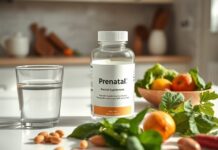
Check prenatal vitamins and other supplements for vitamin A, including the form and amount. If you are planning a pregnancy, a clinician or pharmacist can help you review supplements; you can also read about folic acid before pregnancy as a separate part of preconception planning. Don’t stop a prescribed supplement without discussing it with your clinician.
What To Check On Labels
Look for “vitamin A,” “retinol” or “retinyl” forms on supplement labels, and check whether cod liver oil includes vitamin A as well as vitamin D. Amounts vary between products. Keep the label or take a photo if you want help reviewing your combined intake with a healthcare professional.
If you are pregnant, may be pregnant, or regularly eat liver while taking supplements, ask a clinician or pharmacist to review your situation. Seek medical advice if you are concerned about a high intake or possible vitamin A toxicity symptoms; this article cannot diagnose toxicity.