

















The safest chemical peel aftercare begins before you apply anything: use only a product clearly intended for home use, follow its directions, and avoid professional-strength solutions outside a qualified setting. Strong acids can injure skin, with burns that may lead to scarring or lasting changes in skin colour. If a product causes intense or worsening pain, blistering, or an eye splash, treat it as an injury—not a beauty-treatment reaction.
Know What You’re Buying
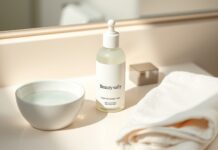
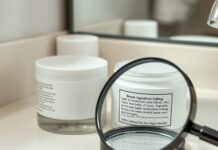
Consumer skincare products and professional peels are not interchangeable. A home-use exfoliant should have clear instructions for consumer use. A product described as “professional,” supplied without adequate directions, or promoted for a deep peel is a reason not to experiment at home. A percentage printed on the label is not, by itself, enough to establish that a peel is safe for you.
Health Education England’s 2014 and 2015 reports treated chemical peels as a non-surgical cosmetic intervention and recommended specialist training for practitioners, regardless of their previous professional background. Those reports support a clear distinction between a routine product designed for home use and a procedure requiring training. They are historical UK training recommendations, however—not a current legal rule or a universal concentration limit.
Do not rely on online instructions that tell you to leave a strong peel on longer, layer it with other acids, or repeat it more often than the label says. If you cannot confirm that the product is intended for home use and understand its directions, do not apply it.
What Chemical Peel Aftercare Should Include
After a correctly used home product, follow its label and keep your routine simple if your skin feels sensitive. Avoid scrubbing, picking at peeling skin, or applying another exfoliating product to skin that is sore or visibly irritated. If you have had a professional peel, follow the treating practitioner’s aftercare instructions; the right care can depend on the procedure and how your skin is responding.
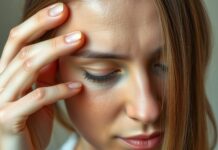
Burning that is severe or getting worse, blisters, broken skin, or marked swelling are not signs to push through for a better result. Stop using the product. Rinse the affected skin thoroughly with plenty of clean, lukewarm running water, and seek urgent medical advice, particularly if the affected area is large or on your face. Don’t try to neutralize an acid with another chemical or apply more skincare to “fix” the reaction.
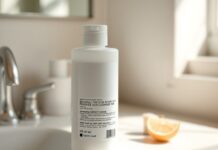
If product gets into an eye, start rinsing it continuously with clean, lukewarm water right away and seek urgent medical care. Take the packaging or a photo of the label with you if you can; the product name and ingredients can help clinicians assess the exposure. If you are unsure how serious a reaction is, contact a clinician or local poison-information service promptly.
Rules Differ Across Countries
There is no sound basis for giving one legal concentration cutoff that applies across the United States, United Kingdom, European Union, and Australia. HEE’s reports concern UK practitioner training and do not establish current law or product limits in any of those regions. They also do not provide a comparison with US, EU, or Australian rules.
For a product you plan to buy, check that it is clearly labelled for consumer use and sold in your country in compliance with local requirements. Don’t assume that an online listing, a “professional” label, or availability in another country means it is approved or suitable for home use where you live. If the classification or instructions are unclear, check with your local official product-safety or cosmetics regulator rather than relying on a seller’s claims.
Because a severe reaction can need medical assessment, get professional advice if your skin is blistered, open, increasingly painful, or changing colour after a peel. Seek urgent care for any eye exposure. Home skincare directions are not a substitute for care after an injury.