












A precautionary allergen warning such as “may contain” means a food could have picked up an allergen unintentionally during production. It does not tell you how likely that is, or how much allergen might be present. Because these statements are generally voluntary and wording is inconsistent, treat them as a caution—not as a reliable risk ranking.
What “May Contain” Can—and Can’t—Tell You
Precautionary allergen labelling (PAL) covers statements such as “may contain peanuts,” “may contain traces of milk” or “made in a facility that also processes tree nuts.” They warn about possible unintended allergen presence, also called cross-contact. This can happen at different points in production, including when ingredients are handled, equipment is shared or products are packaged.
The wording does not reliably describe the level of risk. “Made in the same facility” does not automatically mean a product is more or less likely to contain an allergen than one labelled “may contain.” A 2024 update by Paul J. Turner and international colleagues in the World Allergy Organization Journal describes how varied wording can be and notes that it does not reflect the risk of allergen presence or a possible reaction.
That uncertainty cuts both ways: a warning is not proof that the allergen is present, but the absence of a warning is not a guarantee that cross-contact cannot occur. A 2019 report from two iFAAM workshops concluded that some products with PAL do not contain the named allergen, while some products without PAL contain amounts capable of triggering a reaction. The report highlights why you should not use warning wording alone to judge a product’s safety.
How Allergen Warning Rules Differ By Region
Rules for declaring an allergen that is deliberately used as an ingredient are more established than rules for warning about possible cross-contact. The exact requirements depend on where a food is sold and whether it is prepacked, so imported products and meals bought loose may be labelled differently.
- United States: Packaged foods must identify the nine major food allergens when they are ingredients. “May contain” and similar advisory statements are voluntary; the wording does not follow a common federal risk scale.
- United Kingdom and European Union: The 14 regulated allergens must be declared when used as ingredients, with allergen information highlighted in the ingredients list. Requirements also cover food sold without packaging, though how information is provided can differ. PAL is generally voluntary and does not have a common risk scale.
- Australia: The Food Standards Code requires allergen declarations using prescribed plain-English names and formats for priority allergens. Precautionary statements remain voluntary, rather than a uniform measure of risk.
These rules concern different lists and formats, and a mandatory ingredient declaration is not the same thing as a cross-contact warning. When shopping across borders, check the label under the rules where the food is sold; do not assume that a familiar phrase has the same regulatory meaning everywhere.
What To Do When You’re Unsure
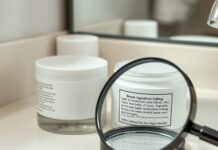
Read the full ingredients list every time you buy a product, even if you have bought it before. Formulas and packaging can change. Look for the allergen as an ingredient as well as in any separate warning, and check that the label is for the specific product and market you are buying. A “free from” claim and a precautionary statement answer different questions, so read the full label rather than relying on one phrase.
Contact the manufacturer when the label is unclear or you need details about a specific product. Give the product name and, if possible, the batch or lot number, since production conditions can vary. Ask about the named allergen, shared equipment or production lines, and how the company assesses and manages cross-contact. A generic response may not address your product or batch; if the answer is uncertain, do not treat it as a guarantee.
Most importantly, follow your own allergy action plan and the advice of your allergy clinician. Do not decide that a food is safe—or unsafe for you—based only on whether the packaging says “may contain.” If you are unsure how to interpret labels for your allergy, ask your clinician for guidance tailored to your circumstances. If you have an allergic reaction, follow your action plan.