


















If your period has stopped while you train, don’t assume it is a harmless side effect of sport. The female athlete triad describes the connection between not having enough energy available for your body, menstrual disruption and impaired bone health. A missed period does not prove that training is the cause, but it is a reason to check in with a healthcare professional and rule out other causes, including pregnancy.
How The Female Athlete Triad Connects Periods And Bones
Energy availability is the energy left for the body’s functions after exercise. If food intake does not keep up with training demands, the body may conserve energy by altering reproductive hormones. This can disrupt ovulation and periods, or stop them altogether. Functional hypothalamic amenorrhea is one possible result: menstrual disruption linked to changes in the brain’s hormonal signalling, often in the context of inadequate energy, stress or both.
This can happen without an eating disorder or deliberate food restriction. A busy schedule, unintentional under-fuelling or a rise in training can all contribute. It is not exercise alone that is the problem; the concern is a mismatch between the energy available and what your body needs.
Reduced reproductive hormones can affect bones, but they are not the only factor. Energy deficiency can also alter other processes involved in bone formation. Over time, this may contribute to low bone density and a higher risk of bone stress injuries, including stress fractures. The risk is especially important during adolescence, when bones are still building toward peak strength.
The older term “female athlete triad” highlights these three connected concerns. Relative Energy Deficiency in Sport (REDs) is a broader term for the effects of energy deficiency on health and performance, and it can affect athletes of any gender. Neither label is a diagnosis you can make from a missed period alone.
When To Get A Missed Period Checked
Pregnancy is a common cause of a missed period and should be ruled out if it is possible. A home pregnancy test can be a useful first step; a clinician can advise if the result is unclear or your period remains absent.
Make an appointment if your periods stop for three months or more, become repeatedly irregular, or change alongside a rise in training or difficulty eating enough. Seek care sooner if you have a suspected bone stress injury, a fracture, or other symptoms that concern you. There are many possible explanations for menstrual changes, so it is important not to assume that sport—or low energy availability—is the cause without an assessment.
What An Assessment May Involve
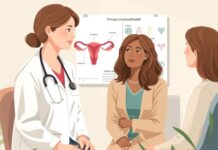
A clinician may ask about your menstrual history, training schedule, food intake, weight changes, stress, injuries and medications. They may also ask about sexual activity and offer a pregnancy test. Depending on your history and symptoms, assessment can include a physical examination, blood tests to check for other causes, and a bone-density scan if bone health is a concern.
Conditions affecting the thyroid or reproductive hormones, among others, can also disrupt periods. The right tests depend on your circumstances. Adolescents need age-appropriate assessment because menstrual development and bone growth differ from those of adults. If you can, bring a record of your periods, training changes and injuries; it can help make the conversation more specific.
How Recovery Is Supported
When low energy availability is contributing, treatment focuses on restoring enough energy for both exercise and everyday body functions. This may involve eating more, adjusting training, or both. A sports dietitian and clinician can help tailor changes to your health and sport; support from a mental-health professional may also help when stress or disordered eating is part of the picture. The goal is not simply to return to training quickly, but to support recovery safely.
Menstrual function can improve with increased food intake and, for some people, modest weight gain. However, recovery varies. The return of bleeding by itself does not confirm that ovulation and hormone levels have fully recovered; several consecutive normal-length cycles may be needed. Bone recovery is also less certain, so the return of periods should not be taken as proof that bone health has fully recovered.
If you are an athlete with a missed period, arranging an assessment is a sensible next step—not a reason to blame yourself or assume you must stop sport indefinitely. A clinician can help identify the cause, check for effects on bone health and work with you on a recovery plan.