






















When Frequent Headache Medicines Can Backfire
Learn how rebound headaches are identified by headache and medicine-use days, why limits vary by drug, and how clinicians plan safer withdrawal and prevention.

Microscopic Colitis: Why a Normal Colonoscopy Can Miss It
Budesonide for microscopic colitis can ease symptoms, but diagnosis starts with biopsies. Learn the signs, medication links and when ongoing diarrhoea needs review.

Could High Blood Pressure Be Primary Aldosteronism?
Learn when primary hyperaldosteronism testing may be considered, how the aldosterone-to-renin ratio is read, why medicines matter, and what diagnosis can lead to.

Serotonin Syndrome: Recognize the Signs and Act Quickly
Serotonin syndrome symptoms can begin within hours of a medication change or interaction. Learn warning signs, common triggers, diagnosis, and when to get emergency care.

High Calcium on a Blood Test: What Happens Next?
An unexpected hypercalcaemia result is not a diagnosis. Learn how clinicians confirm high calcium, use PTH and urine tests, and decide when care is urgent.

COPD Flare-Ups: When Steroids or Antibiotics May Help
COPD exacerbation treatment explained: spot a flare-up, understand when steroids or antibiotics may help, use your action plan and know when to seek urgent care.

Diabetic Retinopathy Screening: Why Timing Matters
A retinal eye exam can detect diabetic retinopathy before vision changes. Learn when to screen, how pregnancy affects follow-up, and what abnormal results mean.
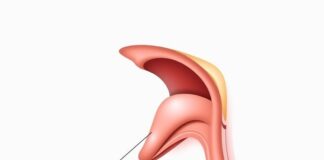
When Breathing Trouble May Come From Your Larynx
Vocal cord dysfunction symptoms can resemble asthma. Learn how ILO differs, why both may coexist, how laryngoscopy confirms it and what therapy involves.

Normal Liver Tests Don’t End Hepatitis B Follow-Up
Understand hepatitis B treatment guidelines, why normal ALT may not mean inactive infection, and how viral load, liver scarring and risk factors shape care.

Positive ANA Test: Does It Mean Lupus?
A positive ANA test can raise concern, but it does not diagnose lupus. Learn how symptoms, titre and follow-up tests shape interpretation—and why repeats rarely help.