

















Blue light blocking glasses have not been shown to reliably ease screen-related eye strain, and whether they improve sleep remains uncertain. That does not mean screen discomfort is imaginary or that evening light never matters. It means the glasses’ blue-light filter is not a proven fix—and common causes of discomfort, such as long periods of close-up work and dry eyes, deserve attention too.
Do blue light blocking glasses help eye strain?
A 2023 Cochrane systematic review by Sumeer Singh, Peter R. Keller and colleagues compared blue-light-filtering lenses with lenses that did not filter blue light. It included 17 randomized controlled trials in adults, with studies lasting from less than a day to five weeks. The reviewers concluded that filtering lenses may not reduce short-term computer-related eye strain. They also found probably little or no effect on visual acuity.
The results are not a guarantee that no one will ever feel more comfortable wearing a particular pair. But they do not establish that filtering blue light is what relieves symptoms. Many of the trials were small or had limitations, and the review could not combine their results into a single overall estimate. It also found no randomized-trial evidence on whether the lenses protect macular health.
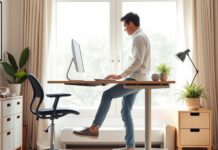
Screen discomfort can have other contributors. Looking at something close for a long time can leave your eyes feeling tired, while concentrating on a screen may mean you blink less often and contribute to dryness. Glare, small text, or a screen position that feels uncomfortable may add to the strain. A blue filter does not address all of these factors. If you already wear glasses, having the right prescription and a comfortable setup may be more relevant than adding a blue-light coating.
Blue light glasses and sleep: What trials tell us
Light in the evening can affect the body’s sleep-wake timing, so reducing bright light before bed is a reasonable consideration. But that does not prove that blue-light glasses improve sleep in everyday life.
In the Cochrane review, six trials involving 148 people reported on sleep quality. Three reported improvement with filtering lenses and three found no meaningful difference. The participants and study methods varied, so the reviewers judged the effects uncertain.
A later systematic review, published in 2025 by Francisco A. Luna-Rangel and colleagues, focused on randomized crossover trials in adults who wore the glasses before bed. It combined three small trials with 49 participants and assessed sleep using wrist-worn activity monitors. The analysis found no statistically significant improvement in time to fall asleep, total sleep time, sleep efficiency, or time awake after falling asleep. The small number of participants means a modest effect cannot be ruled out; the results do not establish a dependable benefit.
These findings concern the lenses, not every possible effect of changing your evening routine or light exposure. If screens or bright lighting keep you alert, reducing evening light may still be worth trying. Glasses are not the only way to do that, and these trials do not show that they can treat insomnia.
What to try when screens bother your eyes
- Take regular distance breaks. Every 20 minutes, look at something about 20 feet (6 metres) away for 20 seconds. This can interrupt a long stretch of close focusing; it is a practical habit, not a guaranteed treatment.
- Ease dryness and glare. Blink deliberately, reduce reflections where you can, and adjust screen brightness to suit the room. Move or enlarge text if you are leaning in or squinting.
- Notice the pattern. Track whether symptoms follow long uninterrupted sessions, a particular setup, or evening screen use. That can help you choose what to change first.
- For sleep, adjust light timing. Try dimmer lighting and less bright screen exposure as bedtime approaches rather than relying on filtering glasses alone.
For more ideas on adjusting your setup and habits, see these screen-strain relief steps.
If you are considering blue-light glasses because they feel comfortable or you like their tint, that is a personal preference—but the current trial results do not make them a necessary purchase for eye strain or a reliable sleep aid. Persistent discomfort, blurred vision, or recurring headaches deserve an eye-care professional’s assessment; symptoms can have causes that a lens filter will not address.