











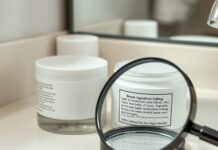





Some ground cinnamon products have tested high for lead, but that does not mean all cinnamon is contaminated. To check for lead in cinnamon, match the product’s brand, lot or batch code, and date against an official alert or recall in the country where you bought it. If a child ate a product listed in an alert, stop using it and contact a healthcare professional for advice; the product name alone cannot tell you how much lead, if any, the child absorbed.
How To Check For Lead In Cinnamon Recalls
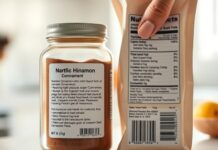
Start with the food-safety authority for the place you bought the product. In the United States, the Food and Drug Administration (FDA) maintains a public health alert for specific ground cinnamon products. The alert was updated on September 28, 2026, to include one lot of Lior Gourmet Spices Ground Cinnamon, distributed by Galil Foods. Its table identifies products by details such as brand, lot code, best-before date, and UPC.
Compare the actual package with the notice. A brand name may appear on products that are not part of the alert, while a particular lot or date may be affected. Do not rely on a search result, an old screenshot, or a recall list copied elsewhere: check the current official notice and any linked company recall announcement. If the alert names your exact product, follow its instructions to throw it away and not buy it.
Alerts and recalls are related but not identical. An FDA public health alert can tell consumers that testing found a concern; a company recall announcement may provide additional details about where a product was sold and which packages to return or discard. Some location information may still be missing from an alert, so check for updates if you are unsure.
Why Some Cinnamon Products Tested High
FDA testing, including testing by state programs confirmed by the agency, identified elevated lead in particular ground cinnamon products. In a 2025 report, the FDA also described detecting lead chromate in ground cinnamon samples using an internally validated method. That finding identifies a lead-containing substance in tested samples, but it does not establish how it entered each product or identify a single cause of contamination.
The results apply to the products and batches tested—not to every cinnamon brand, every product from a named company, or cinnamon as a whole. A recall or alert is therefore a reason to check the exact package, not proof that all ground cinnamon is unsafe. Likewise, a product not named in one alert has not necessarily been tested as part of that alert; the notice is not a certification that it is lead-free.
Recall Information Depends On Where You Bought It
Food alerts are issued by authorities responsible for particular markets. The FDA’s list concerns products identified in the United States; it cannot establish whether a product sold in the United Kingdom, European Union, or Australia is affected or clear. Check your national or local food-safety authority’s notices and, where useful, the retailer’s recall information. In the EU, alerts and national notices may be published through different channels than US FDA alerts. Imported products can make the package details especially important.
Testing and recall lists also answer different questions. A laboratory result describes the sample tested; it does not automatically tell you whether every package from that brand or batch is affected. Notices may use different product identifiers or cover different distribution areas. If you cannot match your package confidently, contact the retailer or relevant food-safety authority with a photo of the label and its codes.
If A Child Ate A Recalled Product
Stop serving the product. Keep the package or take clear photos of the label, lot code, and date, then contact the child’s healthcare professional or local poison information service. Tell them how often and over what period the child ate it, if you know. They can advise whether testing or follow-up is appropriate; do not try to judge exposure from the amount eaten or from whether the child seems well.
The reason to seek advice is that lead exposure may not cause obvious symptoms. A CDC investigation of the 2023 cinnamon-containing applesauce contamination—not ground cinnamon sold as a spice—identified 566 reported cases across 44 US states, Washington, DC, and Puerto Rico. The investigation included children who had consumed recalled pouches, and some affected children had no symptoms reported in the initial North Carolina investigation. This event shows why a child’s wellbeing alone cannot confirm or rule out exposure. It does not mean that eating any cinnamon product causes lead poisoning.
Dispose of a confirmed recalled product as directed by the notice and keep it away from children; do not donate or give it to someone else. If the product was bought abroad, or you cannot find a matching local notice, ask the relevant authority or retailer rather than assuming a US alert covers your market.